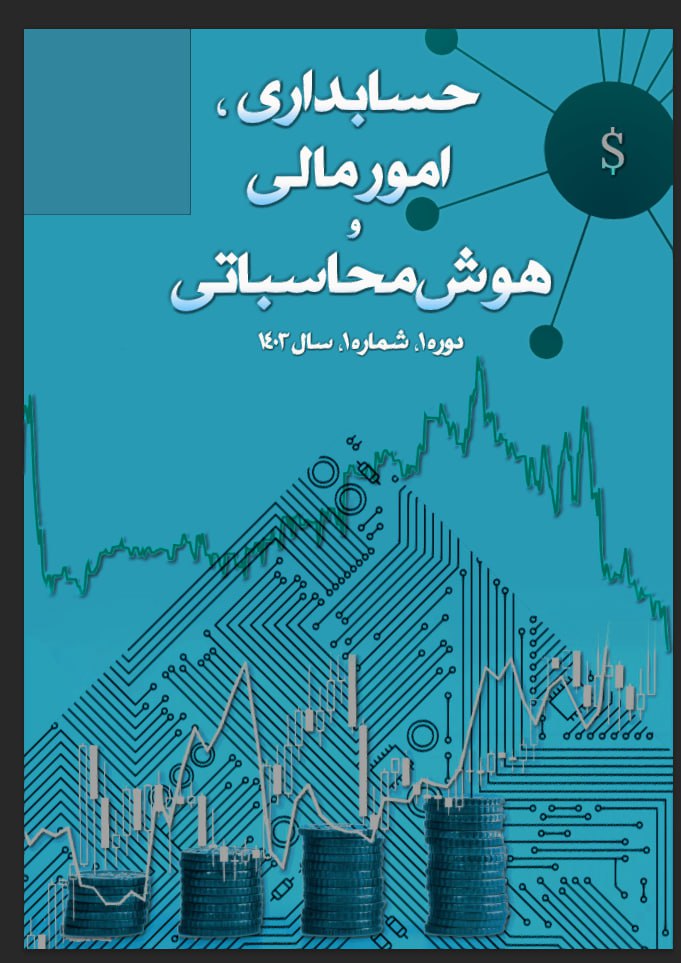
توسعه و اعتبارسنجی مدل ساختاری بهکارگیری هوش مصنوعی در گذار به حسابداری مدیریت با تأکید بر ملاحظات اخلاقی
کلمات کلیدی:
هوش مصنوعی, حسابداری مدیریت, ملاحظات اخلاقی, حاکمیت داده, شفافیت الگوریتمیچکیده
هدف پژوهش حاضر، توسعه و اعتبارسنجی مدل ساختاری بهکارگیری هوش مصنوعی در گذار به حسابداری مدیریت با تأکید بر ملاحظات اخلاقی بود. این پژوهش از نظر هدف کاربردی و از نظر روش، آمیخته اکتشافی کیفی–کمی بود که در سه مرحله انجام شد. در مرحله نخست، با تحلیل نظاممند متون و تحلیل محتوای کیفی، عوامل مؤثر بر بهکارگیری هوش مصنوعی شناسایی و با نرمافزار MAXQDA 2020 کدگذاری شدند. روایی محتوایی از طریق نسبت روایی محتوا و پایایی کدگذاری با ضریب کاپای کوهن بررسی شد که مقدار کاپا 0.90 به دست آمد. در مرحله دوم، برای ساختاربندی روابط میان عوامل از مدلسازی ساختاری تفسیری و دیدگاه 18 خبره دانشگاهی و حرفهای استفاده شد. در مرحله سوم، مدل حاصل با استفاده از مدلسازی معادلات ساختاری مبتنی بر حداقل مربعات جزئی و دادههای 118 پاسخدهنده در نرمافزار SmartPLS اعتبارسنجی شد. برای ارزیابی مدل ساختاری، همخطی چندگانه، ضرایب مسیر، آماره t بوتاستراپینگ و ضریب تعیین بررسی شدند. نتایج استنباطی نشان داد مقادیر عامل تورم واریانس در دامنه 1.299 تا 4.805 قرار داشت و هیچیک از حد بحرانی 5 فراتر نرفت؛ بنابراین، مشکل جدی همخطی میان سازههای پیشبین وجود نداشت. آزمون بوتاستراپینگ نیز از معناداری روابط ساختاری مدل در سطح اطمینان 95 درصد بر اساس معیار t>1.96 حمایت کرد. همچنین، ضریب تعیین مدل برابر با 0.62 بود؛ بدین معنا که سازههای پیشبین توانستند 62 درصد از تغییرات سازههای درونزا را تبیین کنند و در نتیجه، مدل از قدرت تبیین مطلوبی برخوردار بود. نتایج SEM-PLS در مجموع، ساختار مفهومی و روابط استخراجشده از مدل ساختاری تفسیری را از نظر تجربی تأیید کرد. مدل اعتبارسنجیشده نشان میدهد گذار موفق به حسابداری مدیریت مبتنی بر هوش مصنوعی مستلزم تلفیق زیرساختهای فناورانه و سازمانی با حاکمیت اخلاقی، پاسخگویی، حفاظت از دادهها، شفافیت الگوریتمی، شایستگی حرفهای و حفظ قضاوت انسانی است؛ ازاینرو، استقرار هوش مصنوعی باید بهعنوان یک تحول همزمان فناورانه، حرفهای، سازمانی و اخلاقی مدیریت شود.
دانلودها
مراجع
Ali Mohammadi, M. (2025). The Impact of Artificial Intelligence on Recruitment Processes and Smart Human Resource Attraction in Improving Organizational Performance Eleventh International Conference on Management, Accounting, Banking, and Economics of Iran, Mashhad.
Ben Ahmed, D. (2026). The impact of artificial intelligence on accounting information and earnings management: Bibliometric analysis. Journal of Risk and Financial Management, 19(1), 90. https://doi.org/10.3390/jrfm19010090
Bracci, E., Tallaki, M., & Otia, J. E. (2025). Propensity Factors of Artificial Intelligence Technology Adoption by Public Sector Auditors. Journal of Public Budgeting, Accounting & Financial Management. https://doi.org/10.1108/JPBAFM-09-2024-0189
Ekhlas, A. (2025). Tax accounting: Examining principles, laws, and challenges in different systems. First International Conference on Artificial Intelligence in Education, Psychology, Educational Sciences, and Religious, Cultural, Social, and Management Studies in the Third Millennium, Bushehr.
Esmaeili Abdar, H. (2025). Challenges and Consequences of Artificial Intelligence in Organizations National Conference on Investment for Production with the Transformative Role of Accounting and Management, Meybod.
Hamidian, M., & Abedini, G. (2025). Analysis of the Effective Impacts of Artificial Intelligence on Management Accounting Performance: A Study Among Company Managers. Knowledge of Management Accounting and Auditing, 16(63), 207-220. https://doi.org/10.22034/jmaak.2025.78221.4471
Hocine, K., & Soumia, M. (2026). Artificial Intelligence in Accounting and Auditing: A Paradigm Shift Toward Smart Data and Continuous Auditing. The Sankalpa: International Journal of Management Decisions, 12(1), 1146-1160.
Hosseinizadeh, M. (2025). The Impact of Applying Artificial Intelligence in Human Resource Processes on Employee Perceptions 10th International Conference and 11th National Conference on New Findings in Management, Psychology, and Accounting, Tehran, Iran.
Jafari, N. (2025). Investigating the Impact of Artificial Intelligence on Employee Performance and Work Engagement (Case Study: Urmia Municipality). The 14th International Conference on Interdisciplinary Research in Management, Accounting, and Economics in Iran, Tehran.
Jain, P. (2026). Artificial intelligence in accounting, taxation and auditing. International Journal of Scientific Research in Engineering and Management. https://doi.org/10.55041/ijsrem56033
Khalafi, S., Pardehchi, S. A., & Solouki, S. (2025). The role of artificial intelligence in transforming banking services: A conceptual model of interaction between AI-based security and customer loyalty in financial services. Perspective of Accounting and Management, 8(101), 175-186. https://www.jamv.ir/article_227593.html
Khaleghizadeh Dehkordi, M., Sarraf, F., & Najafi Moqaddam, A. (2025). The Role of Performance Metrics in Explaining Investment Efficiency with Emphasis on Artificial Intelligence Method. Accounting and Management Auditing Knowledge, 13(51), 151-168.
Kordestani, G., & Mashini, R. (2025). Consequences of using artificial intelligence in management accounting in the field of e-commerce: Comparing opportunities, threats, weaknesses, and strengths. Empirical Accounting Research.
Najari, M. (2025). Analysis of financial costs using artificial intelligence. https://en.civilica.com/doc/2318809/
Nguyen, T. H., Abu Afifa, M., Van, H. V., & Bui, D. V. (2025). Artificial Intelligence in Accounting, Risk Management, Sustainable Competitiveness and Managerial IT Infrastructure: A Moderation-Mediation Model. Asia-Pacific Journal of Business Administration. https://doi.org/10.1108/APJBA-02-2025-0101
Ouyarhossein, S., & Ouyarhossein, S. (2026). Presenting an Artificial Intelligence Model for the Transition from Traditional Accounting to Digital Accounting. Management Accounting and Auditing Knowledge, 17(65), 397-413.
Ravanpak Nodezh, H., & Hajami Koushalshahi, N. (2025). The Impact of Modern Financial Technologies (FinTech) and Artificial Intelligence on the Transparency and Efficiency of Iran's Tax System. Accounting and Management Outlook, 8(108), 1-16.
Rostami Zabol, B. (2025). Criminal liability arising from the actions of autonomous Artificial Intelligence in the Iranian criminal legal system: Challenges and legislative necessities. 14th International and National Conference on Management, Accounting, and Law Studies, Tehran.
Saadati, E., Ansari, Z., Farahmandnia, A., & Asadi Mehr, K. (2025). A Strategy-Oriented Approach to the Application of Artificial Intelligence Technology in Accounting: With Reference to Auditing and Management Accounting Specializations. Strategic Management Accounting Quarterly, 2(2), 1-20.
Salek, K. (2025). The Effect of Artificial Intelligence-Based Risk Management on Supply Chain Agility Reengineering Capabilities and Supply Chain Agility. Quarterly Journal of New Research in Management and Accounting, 14, 391-407.
Sehat Barmacheh, A., Shamakhy, H., & Yalfani, A. (2025). The Effect of Factors Based on Artificial Intelligence Components (Intelligence, Design, and Choice) on Auditors' Judgment. Management Accounting and Auditing Knowledge, 16(61), 265-278.
Sehat Barmacheh, A., Shamakhy, H., & Yalfani, A. (2026). Presenting an Artificial Intelligence-Based Audit Judgment Model. Management Accounting and Auditing Knowledge, 15(60), 191-210.
Shah Amirian, S. M. (2025). Application of Artificial Intelligence and Big Data Analytics in Risk Management and Improving Accounting Transparency in Insurance Companies: A Case Study of Pasargad Insurance Company. Fourth International Congress on Management, Economics, Humanities, and Business Development,
دانلود
گاهشمار انتشار
- ارسال
- بازنگری
- پذیرش
شماره
نوع مقاله
مجوز
حق نشر 2025 Amirhosein Ebrahimi (Author); Ali Akbar Farizin Far (Corresponding author); Hassan Ghodrati , Meysam Arabzadeh, Mohammadreza Mohaghgheghi (Author)

این پروژه تحت مجوز بین المللی Creative Commons Attribution-NonCommercial 4.0 می باشد.